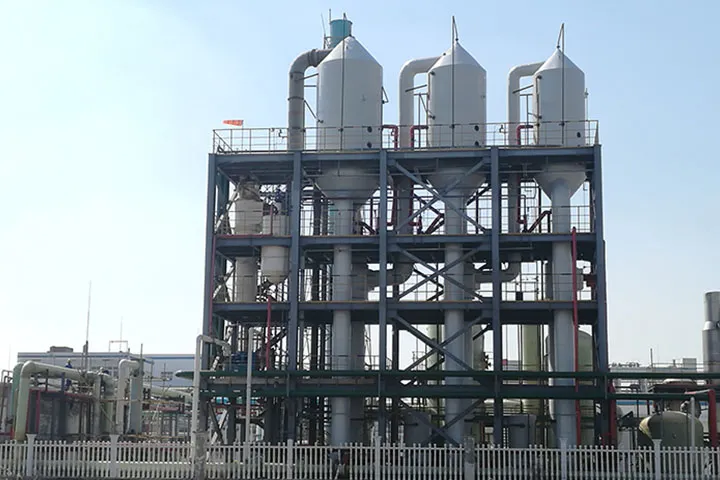
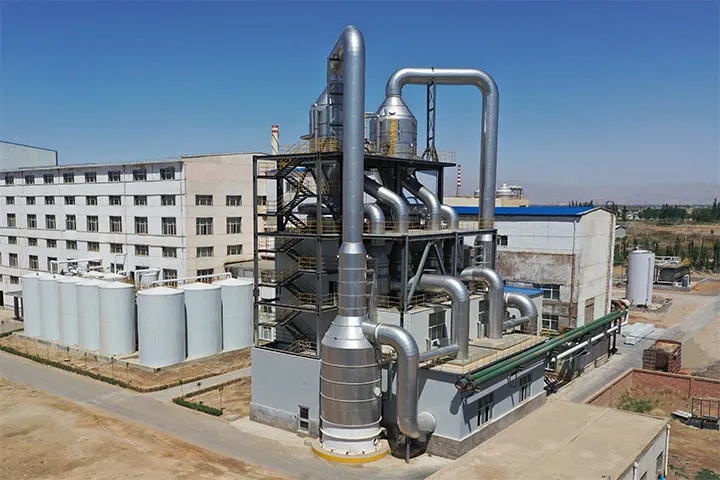
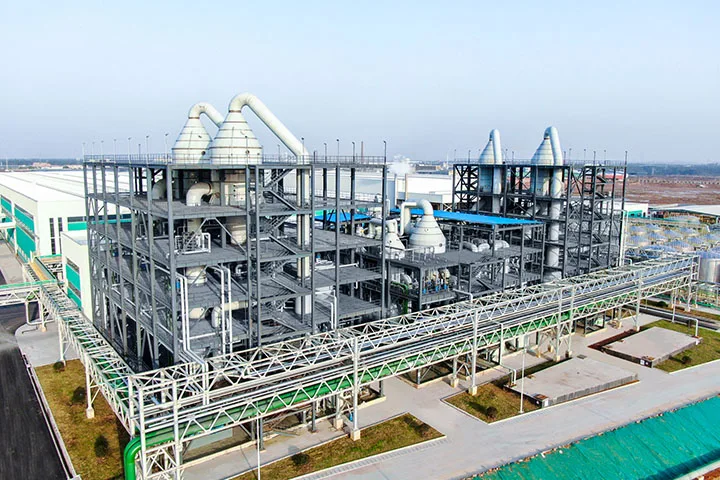
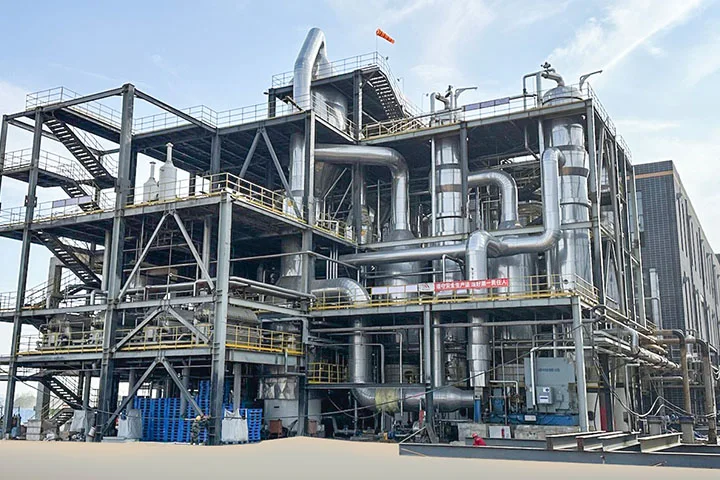
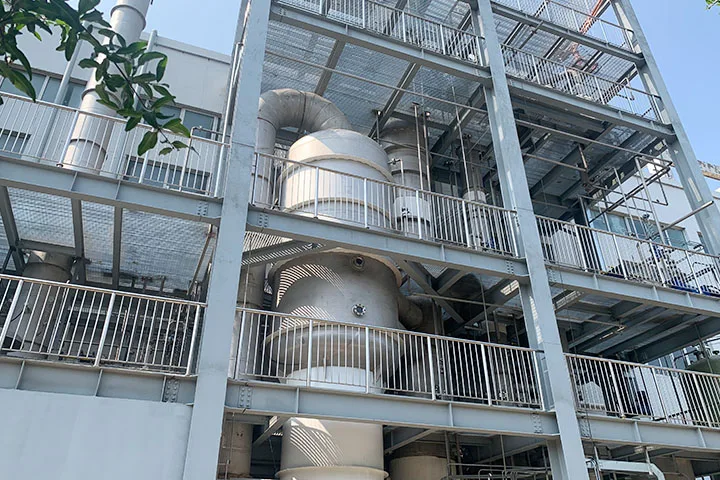
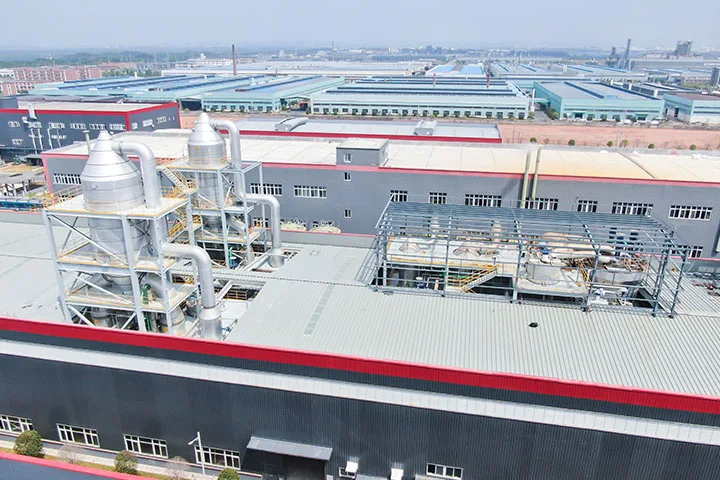
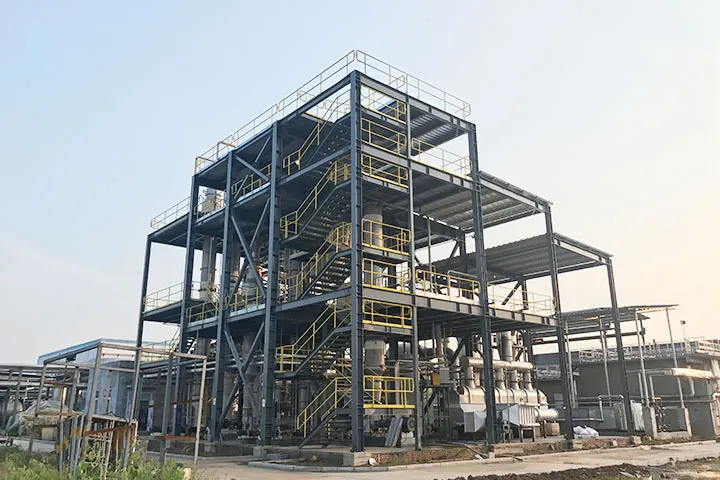
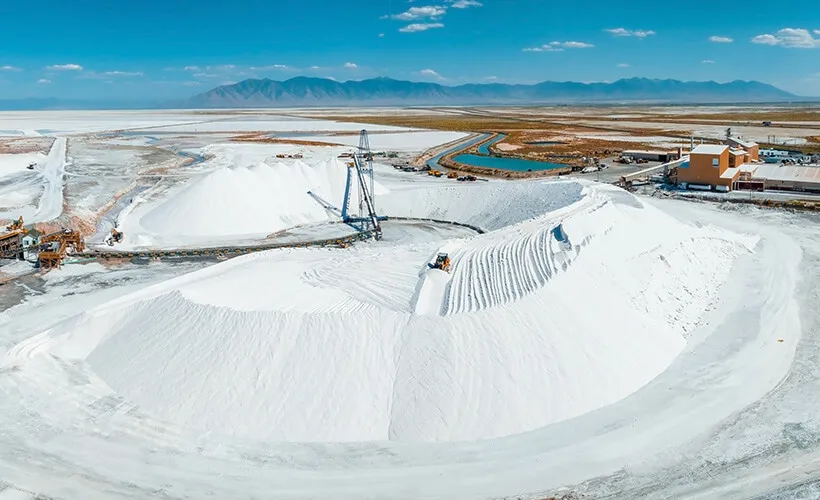

Falling film evaporator advantages and disadvantages matter when I need to select a stable concentration route for a real process. A falling film evaporator may offer strong heat transfer and compact construction, but a poor material fit can cause fouling, blockage, or unstable operation. I therefore begin with material behavior, not equipment capacity alone.
The main falling film evaporator advantages include high heat-transfer efficiency, short residence time, compact equipment, and suitability for many heat-sensitive liquids. The main disadvantages include sensitivity to feed distribution, fouling, crystallization, viscosity changes, and insufficient liquid circulation. Buyers should verify the material’s rheology, concentration range, scaling tendency, corrosion risk, cleaning plan, energy configuration, and downstream process before selecting this technology.
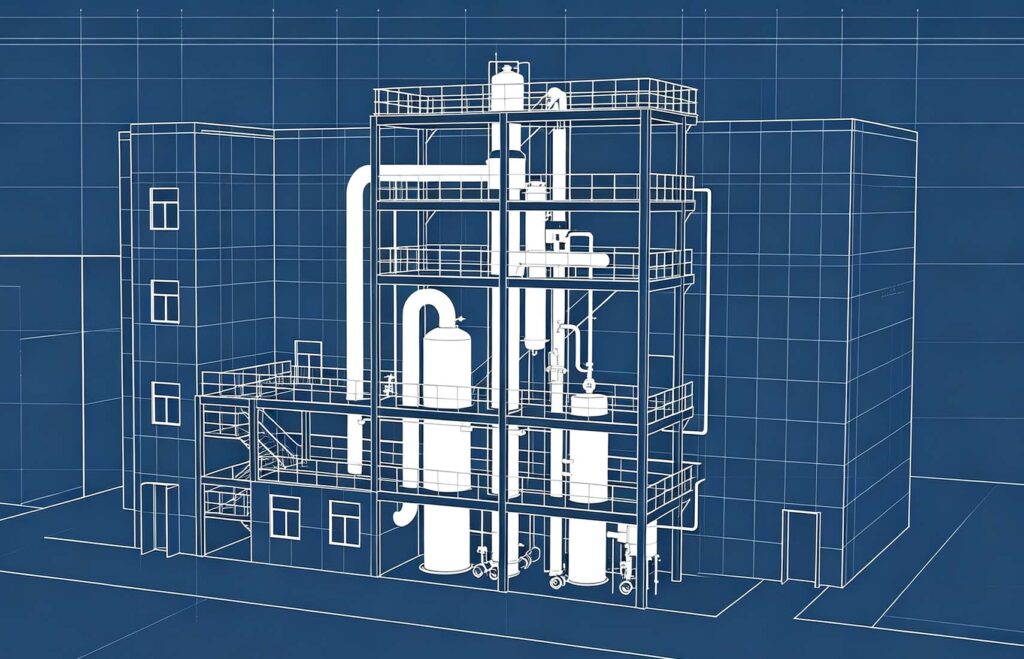
The right decision depends on whether the material can form and maintain a stable liquid film from the heating surface entrance to the outlet. In my suitability assessments across chemical, new-materials, wastewater, food, fermentation, and biomanufacturing applications, I have found that the complete process route usually matters more than a headline heat-transfer value.
What Are the Main Falling Film Evaporator Advantages and Disadvantages?
When a project team compares evaporation technologies, it can focus too quickly on evaporation capacity, tube dimensions, or heat-transfer coefficients. That approach can hide the actual operating risk. I first ask whether the feed remains sufficiently fluid and well distributed as concentration increases.
A falling film evaporator offers efficient heat transfer and short liquid residence time when the feed forms a continuous, evenly distributed film over the heating surfaces. However, the same design becomes more sensitive to poor distribution, high viscosity, fouling, crystallization, and unstable feed conditions.
Why Can Falling Film Evaporation Be Attractive?
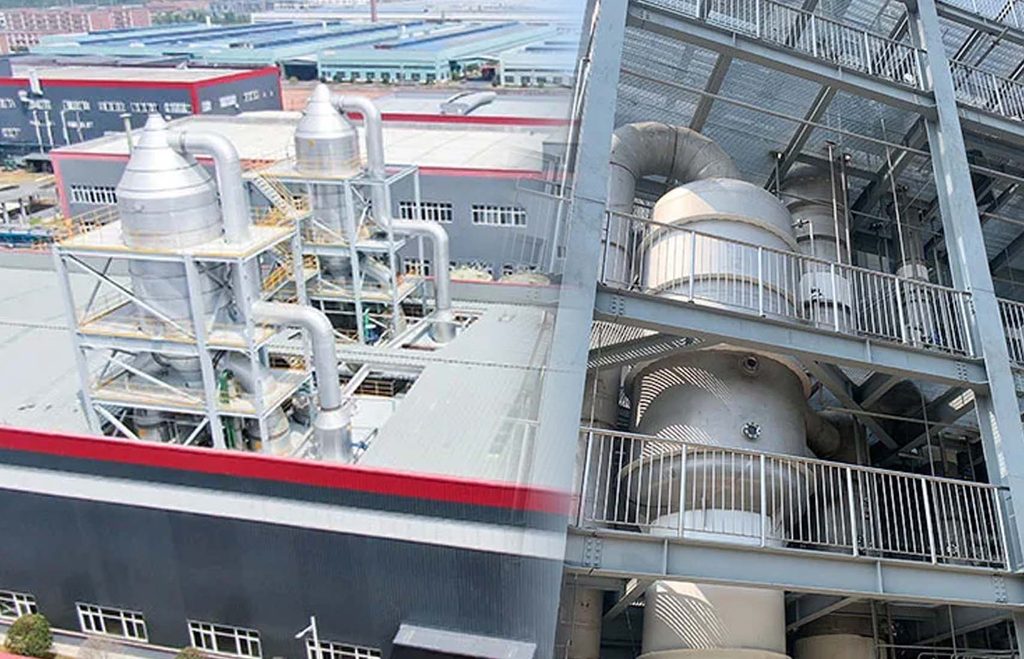
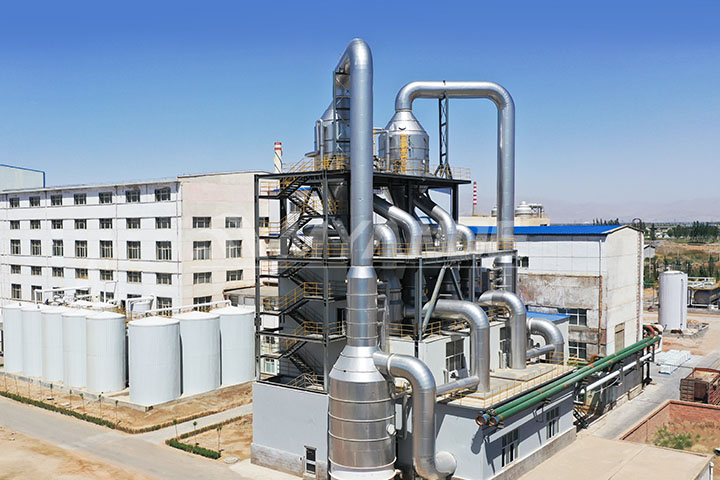
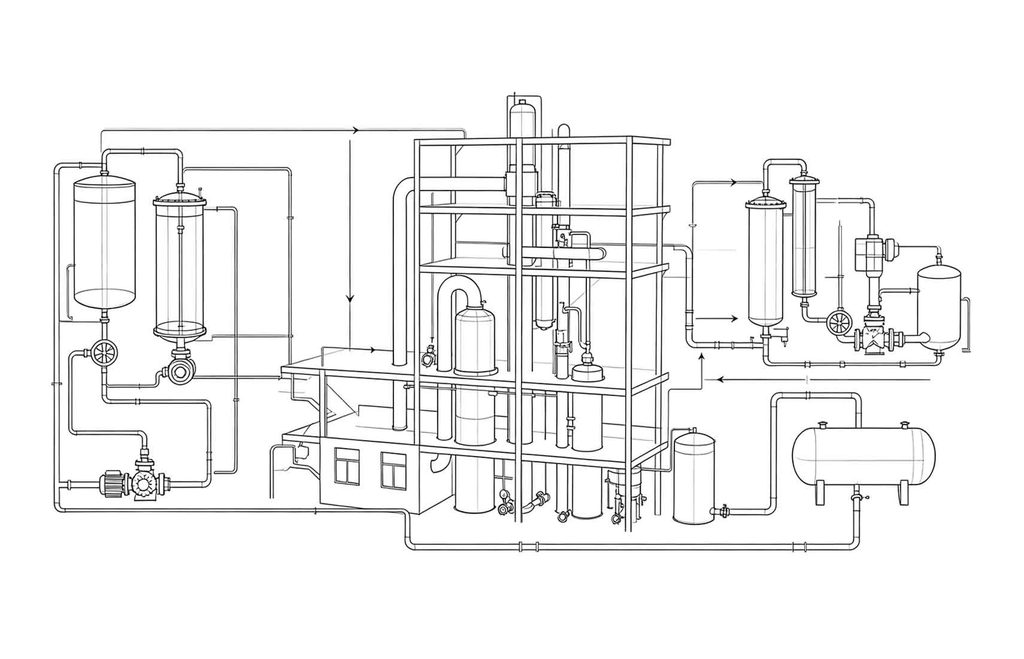
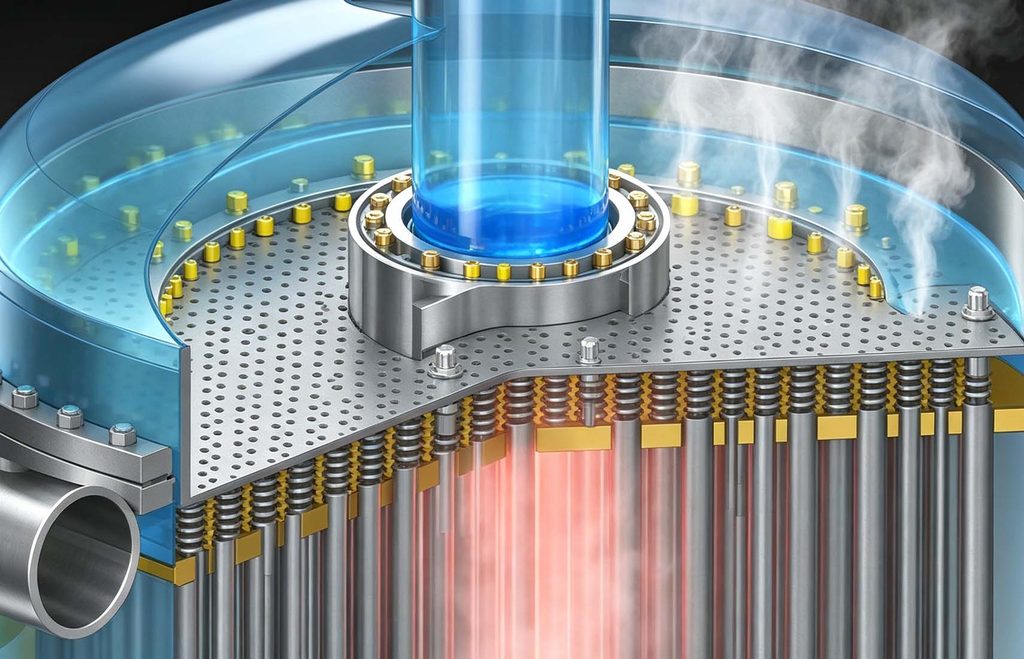
A falling film evaporator distributes liquid across vertical heating tubes. The liquid flows downward as a thin film while heating vapor condenses on the opposite side of the heat-transfer surface. Because the liquid film is thin, heat can transfer efficiently when the operating conditions remain stable.
The potential advantages include:
🔸Short residence time: This feature can help reduce thermal exposure for heat-sensitive products.
🔸Compact equipment: A high effective heat-transfer area can fit within a relatively compact arrangement.
🔸Lower liquid holdup: The system may contain less liquid than some recirculating designs.
🔸Flexible energy integration: Falling film bodies can be integrated into MVR, multiple-effect, TVR, or waste-heat systems when the process conditions support that configuration.
🔸Suitable operation under vacuum: Vacuum operation can reduce boiling temperature for products that are sensitive to heat.
I treat these points as conditional advantages. A high evaporation intensity does not automatically mean that the equipment is suitable. The feed must wet the heating surface consistently. A dry area can reduce heat transfer, while a concentrated area can encourage deposits or local crystallization.
Which Disadvantages Require the Closest Review?
The main disadvantages are linked to the dependence on a stable liquid film. If the feed distributor performs poorly, if the feed rate changes sharply, or if viscosity rises during concentration, the film may become uneven.
Typical risks include:
| Evaluation issue | Possible operating effect |
| Poor liquid distribution | Dry tubes, uneven heat transfer, local overheating |
| Rising viscosity | Lower film flow and more difficult discharge |
| Scaling or fouling | Reduced heat transfer and more frequent cleaning |
| Crystallization inside tubes | Blockage, pressure increase, or shutdown |
| Low feed rate | Incomplete wetting of heating surfaces |
| Corrosive components | Material damage and shorter service life |
| Unstable feed composition | Changing evaporation performance and control difficulty |
I also distinguish between a falling film evaporator and a forced-circulation evaporator. These technologies are not interchangeable at the same technical level. Forced circulation may provide a more robust approach for some high-solids, crystallizing, or highly viscous materials, but the final choice requires process data and professional evaluation.
Is a Falling Film Evaporator Suitable for High-Viscosity or High-Salt Materials?
High salt concentration or high viscosity does not automatically disqualify a falling film evaporator, but both conditions require careful validation. I examine how viscosity, solubility, suspended solids, and crystal formation change throughout the concentration path rather than judging only the feed condition.
A falling film evaporator may handle a material successfully when the concentrate remains mobile, the solids stay controlled, and the heating surface can remain wetted. It becomes riskier when the liquid thickens rapidly, deposits form quickly, or crystals grow inside narrow passages.
Which Material Properties Should I Check?
I normally organize the material review around six questions:
1. What is the feed concentration?
I need the composition of the incoming stream, including dissolved solids, suspended solids, organic compounds, and volatile components.
2. How does viscosity change?
A feed may be easy to pump at low concentration but become difficult to distribute near the final concentration target. I request viscosity data across relevant temperatures and concentrations.
3. When does crystallization begin?
I review solubility curves, supersaturation behavior, crystal habit, and the possibility of salt precipitation inside tubes or separators.
4. What causes fouling?
Organic deposits, protein denaturation, polymerization, scaling salts, and suspended particles create different cleaning and operating challenges.
5. How does the material respond to heat?
I consider thermal degradation, color formation, product loss, reaction risk, and residence-time sensitivity.
6. What happens after evaporation?
The concentrate may enter crystallization, drying, separation, recycling, or discharge. The downstream requirement can determine whether the selected concentration route is practical.
A useful material review should include more than a single laboratory viscosity value. The process team may need data at different temperatures, shear rates, residence times, and concentration points. Buyers should also verify whether the proposed equipment includes suitable feed distribution, vapor-liquid separation, instrumentation, cleaning access, and materials of construction.
How Can Crystallization Create Operating Problems?
Crystallization can occur when the liquid becomes supersaturated because water removal increases solute concentration. It can also occur when the wall temperature creates a local condition that differs from the bulk liquid. If crystals attach to the heating surface, the deposit can increase thermal resistance. If crystals grow within tubes, the system can experience blockage or unstable flow.
For this reason, I do not treat “high-salt wastewater” as a complete design description. I ask:
🔸Which salts are present?
🔸Which salts should be recovered?
🔸Does the project require ZLD or only partial concentration?
🔸Is the concentrate intended for a crystallizer?
🔸Can pretreatment remove suspended solids or troublesome ions?
🔸What cleaning method is acceptable?
🔸Does the project need continuous operation for long periods?
In some cases, a falling film stage can perform the initial concentration while a forced-circulation evaporator or crystallizer handles the final high-solids duty. In other cases, a different process sequence may reduce the risk. I select the route only after reviewing the full material balance, heat balance, concentration target, and separation requirement.
How Should Buyers Compare a Falling Film Evaporator with Other Routes?
Buyers can make an expensive mistake when they compare technologies only by quoted capacity or nominal heat-transfer performance. I compare the complete system, including pretreatment, energy supply, cleaning, automation, maintenance, crystallization, and product recovery.
A falling film evaporator is often attractive for low-to-moderate viscosity liquids that need efficient concentration and limited thermal exposure. A multiple-effect or MVR arrangement may improve energy utilization under suitable steam, electricity, and operating conditions. A forced-circulation system may be more appropriate for difficult concentrates. These are conditional comparisons, not universal rankings.
What Should Be Included in a Supplier Evaluation?
I recommend that project teams request a documented technical basis rather than a general equipment brochure. The supplier should explain how the proposed route responds to the actual material and operating objectives.
| Buyer question | Evidence to request |
| Can the material form a stable film? | Distribution design, process assumptions, and relevant test data |
| Can the system reach the target concentration? | Material balance and clearly stated operating conditions |
| What is the fouling risk? | Cleaning philosophy, access provisions, and comparable verified references |
| How will energy be supplied? | Steam, MVR, TVR, waste heat, or multiple-effect configuration |
| How will the system be controlled? | Instrument list, control logic, alarms, and turndown assumptions |
| What happens to the concentrate? | Downstream crystallization, separation, recycling, or disposal plan |
| What is guaranteed? | Clearly defined performance guarantees and test methods |
| Can the supplier support execution? | Manufacturing, installation, commissioning, training, and spare parts scope |
I also examine whether supplier references involve similar materials rather than merely similar equipment sizes. A food product, lithium salt solution, fermentation broth, and high-salt wastewater can behave very differently even when each project uses an evaporator.
Which Economic Factors Matter?
I evaluate both capital expenditure and operating expenditure, but I avoid unsupported payback claims. The economic result depends on local electricity and steam prices, annual operating hours, cleaning frequency, product value, maintenance requirements, water recovery, and the value of recovered salts or concentrates.
I ask the supplier to separate:
🔸Equipment and fabrication cost
🔸Installation and commissioning cost
🔸Utility consumption assumptions
🔸Cleaning chemicals and labor
🔸Expected maintenance and spare parts
🔸Automation and integration scope
🔸Waste treatment or crystallization requirements
🔸Training and long-term technical support
For a Myande project, the commercial discussion should therefore begin with material samples, operating data, and the intended product or environmental outcome. The practical deliverable may be a complete evaporation and crystallization solution rather than a single evaporator.
Frequently Asked Questions
What is the biggest advantage of a falling film evaporator?
The biggest potential advantage is efficient heat transfer with short liquid residence time. This design can support compact equipment and reduced thermal exposure when the feed distributes evenly and remains sufficiently fluid. I would not treat this advantage as universal because viscosity, fouling, and crystallization can change the result.
What is the main disadvantage of a falling film evaporator?
The main disadvantage is its sensitivity to unstable liquid-film formation. Poor distribution, low feed rate, rising viscosity, fouling, or crystal deposition can reduce heat transfer and increase blockage or cleaning risk. Buyers should evaluate the complete concentration path, not only the initial feed properties.
Can a falling film evaporator process high-salt wastewater?
It can process some high-salt wastewater, but salt content alone does not establish suitability. I would review salt composition, solubility, scaling tendency, suspended solids, final concentration, and the required ZLD or resource-recovery route. A combined falling film, forced-circulation, and crystallization system may be more appropriate in some projects.
Is a falling film evaporator suitable for high-viscosity liquids?
It may be suitable when the viscosity remains within a manageable range and the liquid can maintain a stable film. If viscosity rises sharply during concentration, the system may experience poor wetting, higher pressure drop, and unstable discharge. I recommend qualified process assessment and, where needed, pilot or laboratory validation.
Should buyers choose MVR or a falling film evaporator?
MVR and falling film describe different aspects of a system. Falling film describes the evaporator circulation and heat-transfer arrangement, while MVR describes vapor recompression and energy integration. A falling film evaporator can be incorporated into an MVR system, but the material and utility conditions must determine the final design.
Conclusion
The advantages and disadvantages of a falling film evaporator depend on material compatibility and complete process design. I consider film stability, viscosity changes, fouling, crystallization, corrosion, thermal sensitivity, cleaning, energy configuration, and downstream separation before selecting the route. Buyers should request verified project evidence and clearly defined assumptions instead of relying on headline capacity or heat-transfer data. For a material-based evaluation and integrated evaporation or crystallization solution, contact Myande with your process data, sample information, and project objectives.